- Musical instrument insuranceMusical instrument insurance
Music is made by people – but it’s your musical instrument that makes it possible. We can help you find the right music instrument insurance, whatever you play or own, so you can carry on making music in complete harmony.
- String instrument insuranceString instrument insurance
The string family is one of the most versatile and well-loved groups of instruments. So we make sure our string instrument insurance is just as flexible.
- Cello insuranceCello insurance
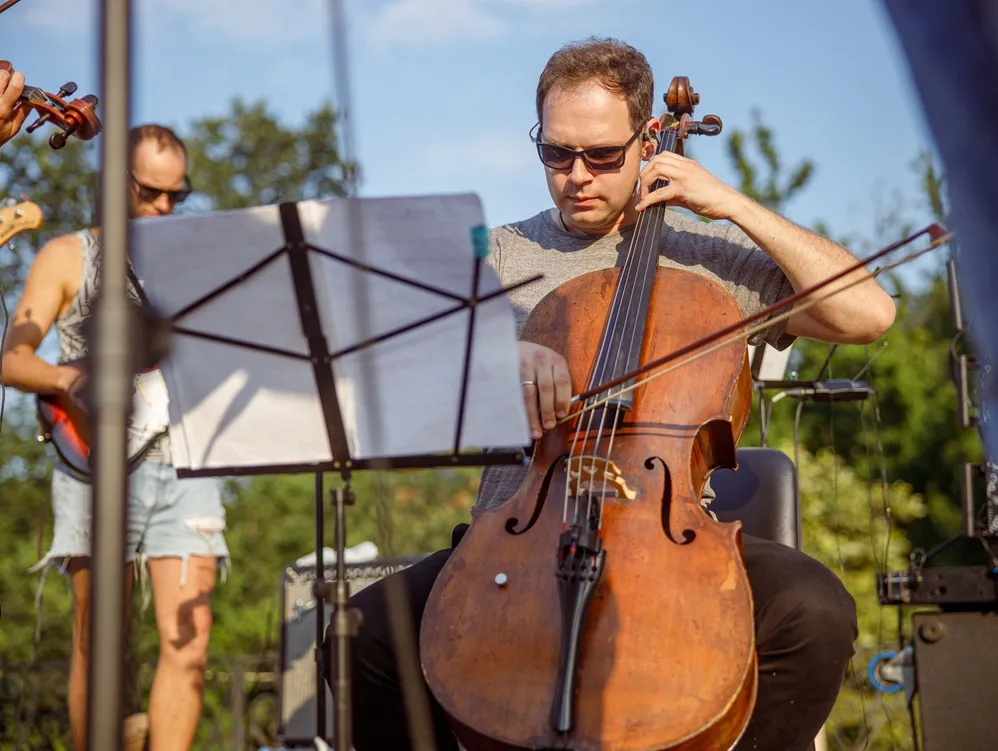
Our specialist cello insurance protects your cello, bow, case and accessories against accidental damage, loss and theft.
- Harp insuranceHarp insurance
Our specialist harp insurance protects your instrument, case and accessories against accidental damage, loss and theft.
- Violin & Viola insuranceViolin & Viola insurance
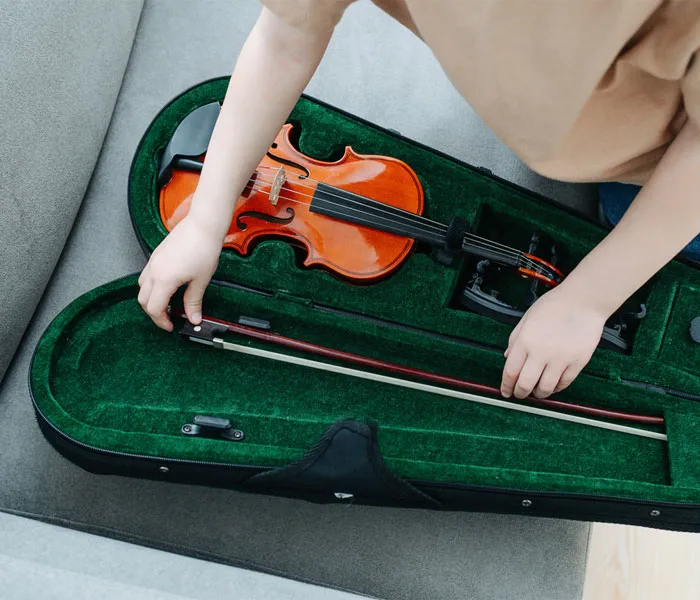
Our specialist violin and Viola insurance protects your instrument, bow, case and accessories against accidental damage, loss and theft.
- Cello insuranceCello insurance
- Guitar insuranceGuitar insurance
We cover all guitars, from electric to acoustic, and our specialist guitar insurance protects against accidental damage, loss and theft.
- Woodwind instrument insuranceWoodwind instrument insurance
The woodwind family comes in all shapes and sizes, offering a rich variation in tone and style. Our woodwind instrument insurance takes care of them all.
- Clarinet insuranceClarinet insurance
Our specialist clarinet insurance protects your instrument, case and accessories against accidental damage, loss and theft.
- Flute insuranceFlute insurance
Our specialist flute insurance protects your flute, piccolo, cases and accessories against accidental damage, loss and theft.
- Saxophone insuranceSaxophone insurance
Our specialist saxophone insurance protects your instrument, case and accessories against accidental damage, loss and theft.
- Clarinet insuranceClarinet insurance
- Brass instrument insuranceBrass instrument insurance
Brass instruments are incredibly versatile – lending themselves to all sorts of musical genres, from classical to jazz to funk and more. We can provide the right cover to keep your brass instrument protected, from trumpet to tuba.
- Horn insuranceHorn insurance
Our specialist horn insurance protects your instrument, case and accessories against accidental damage, loss and theft.
- Trombone insuranceTrombone insurance
Our specialist trombone insurance protects your trombone, mouthpieces, mutes, case and accessories against accidental damage, loss, theft and more.
- Trumpet insuranceTrumpet insurance
The trumpet is one of the world’s most ancient instruments, with a history spanning thousands of years. Today, we offer specialist trumpet insurance that’s designed to keep this well-loved instrument safe.
- Horn insuranceHorn insurance
- Keyboards and piano insuranceKeyboards and piano insurance
The piano lends itself to all styles of music, so it’s no surprise it’s one of the most popular instruments in the world. Our specialist piano insurance covers all manner of piano, from a concert grand to a classic Fender Rhodes.
- Keyboard insuranceKeyboard insurance
Keyboards are a versatile and practical instrument – easier to transport than a piano and able to offer a multitude of sounds and settings. So it’s no surprise they’re so popular. But getting the right insurance is key.
- Piano insurancePiano insurance
Our specialist piano insurance protects your grand, upright, digital and all other types of pianos against accidental damage, loss and theft.
- Keyboard insuranceKeyboard insurance
- Drums insuranceDrums insurance
Our specialist drum insurance protects your drum kit, cymbals, percussion, electronic drums and accessories against accidental damage, loss and theft.
- Electronic musical instrumentsElectronic musical instruments
We know there’s a vast range of musical instruments designed for electronic music – and we can find you the cover you need.
- DJ equipment insuranceDJ equipment insurance
Our specialist DJ insurance protects your decks, controllers, mixers, laptops and equipment against accidental damage, loss, theft and more.
- Musical equipment insuranceMusical equipment insurance
We know many performances are only made possible through gear such as PA systems, microphones, speakers, amplifiers and more. That’s why we offer comprehensive protection for all your musical gear, whatever your genre or standard.
- Ensembles, bands and orchestra insuranceEnsembles, bands and orchestra insurance
Music is collaborative – and playing with others is one of the most enjoyable experiences, from orchestras and bands to duos.
- Orchestra members insuranceOrchestra members insurance
We offer specialist musical insurance for individual orchestra players – so you don’t have to rely on a group policy to know you’re protected.
- Concert band player insuranceConcert band player insurance
Playing in a concert band is a lot of fun, but it’s important to make sure your instrument is protected – so if any accident happens in rehearsal, on stage, on tour or in transit, you know you can rely on getting your instrument fixed or replaced quickly and easily.
- Brass band player insuranceBrass band player insurance
Our specialist brass band player insurance protects your instrument, case, stand and accessories against accidental damage, loss and theft.
- Orchestra members insuranceOrchestra members insurance
- Collectors insuranceCollectors insurance
As a collector, you have a real passion for fine musical instruments. At Lark Music, we understand that your collection is not only highly valuable financially, but personally too. That’s why we offer the highest quality cover for your instruments alongside tailored personal support.
- Can’t find your instrument type?Can’t find your instrument type?
We know that there are many more musical instruments than we’ve listed on our site, so don’t worry if you haven’t seen yours. We can still find you the musical instrument insurance you need.
- String instrument insuranceString instrument insurance
- Our coverOur cover
We know how much your music matters. Our specialist cover protects instruments, accessories and gear, from beginners to professionals. We also support performing musicians with public liability and personal accident cover.
- Public liability insurance for musiciansPublic liability insurance for musicians
Protect yourself, and your performances, with specialist music public liability insurance designed for musicians, bands, DJs, music teachers, music producers and more. Our cover starts from less than £11 a year.
- Personal accident insurance for musiciansPersonal accident insurance for musicians
Protect your music career with musicians personal accident insurance. Covering injuries that prevent performing, teaching or touring. Affordable plans available.
- Dealers, makers & restorersDealers, makers & restorers
As a dealer in musical instruments, you have a precise set of needs. At Lark Music, we are perfectly placed to tailor the right policy for you, offering the specialist insurance your instrument stock requires to give you and your customers peace of mind.
- Public liability insurance for musiciansPublic liability insurance for musicians
- Why choose us?Why choose us?
We understand the diversity of the musical sector, so we cater for all musical instruments across every type of genre, whether you play music professionally or as a hobby.
- About usAbout us
We help all music lovers keep their instruments and equipment safe through specialist and flexible cover that leaves you free to play on, safe in the knowledge you’re protected.
- Introducer tipsIntroducer tips
How you position your relationship with Lark Music when you communicate with your clients and making the most of potential touch points to introduce us will help you generate more leads and boost your income.
- Client feedbackClient feedback
Find out what our clients have said about Lark Music on our trusted review platform Trustpilot.
- Musician spotlightMusician spotlight
Interested in participating in our Musician Spotlight? Find out more here.
- About usAbout us
- PartnershipsPartnerships
We’re passionate supporters of the UK music industry, proud to work with trusted partners nationwide. Partner with us to offer specialist music insurance and add value for your customers.
- Work with usWork with us
Work with us to help share specialist music insurance with your customers. Earn money while offering musicians a discount on their cover – adding value for them and creating a new revenue stream for your business.
- Lark Gibson partnershipLark Gibson partnership
Free Lark Music guitar insurance with qualifying Gibson purchases at Gibson Garage London. UK residents; UK cover only. Activate instore. Eligibility, terms and conditions apply. Your Gibson, covered.
- Bournemouth Symphony Orchestra partnershipBournemouth Symphony Orchestra partnership
Specialist musician insurance from Lark Music in partnership with Bournemouth Symphony Orchestra. Discover BSO digital concerts, music-making opportunities and an introductory first-year saving for eligible BSO audiences.
- Work with usWork with us
- Musical notes: news & updatesMusical notes: news & updates
We share your passion for music and regularly interview musicians of all genres while covering a wide variety of musical topics, which we’re delighted to share with you here.
- Existing customersExisting customers
We hope you’re happy with your Lark Music policy. Here you can manage, change, renew and claim on your cover.
- Retrieve a quoteRetrieve a quote
To retrieve your quote you will need to login to your account. When you originally generated your quote, an account was created for you using your email address.
- Contact usContact us
We aim to make it as easy as possible for you to get the musical instrument insurance you need, so you can concentrate on what matters most: making music.
- Get a quoteGet a quote
When you devote your life to music, you need someone who understands that dedication. At Lark Music, we pour as much passion into protecting your treasured instrument as you do into looking after it.

×